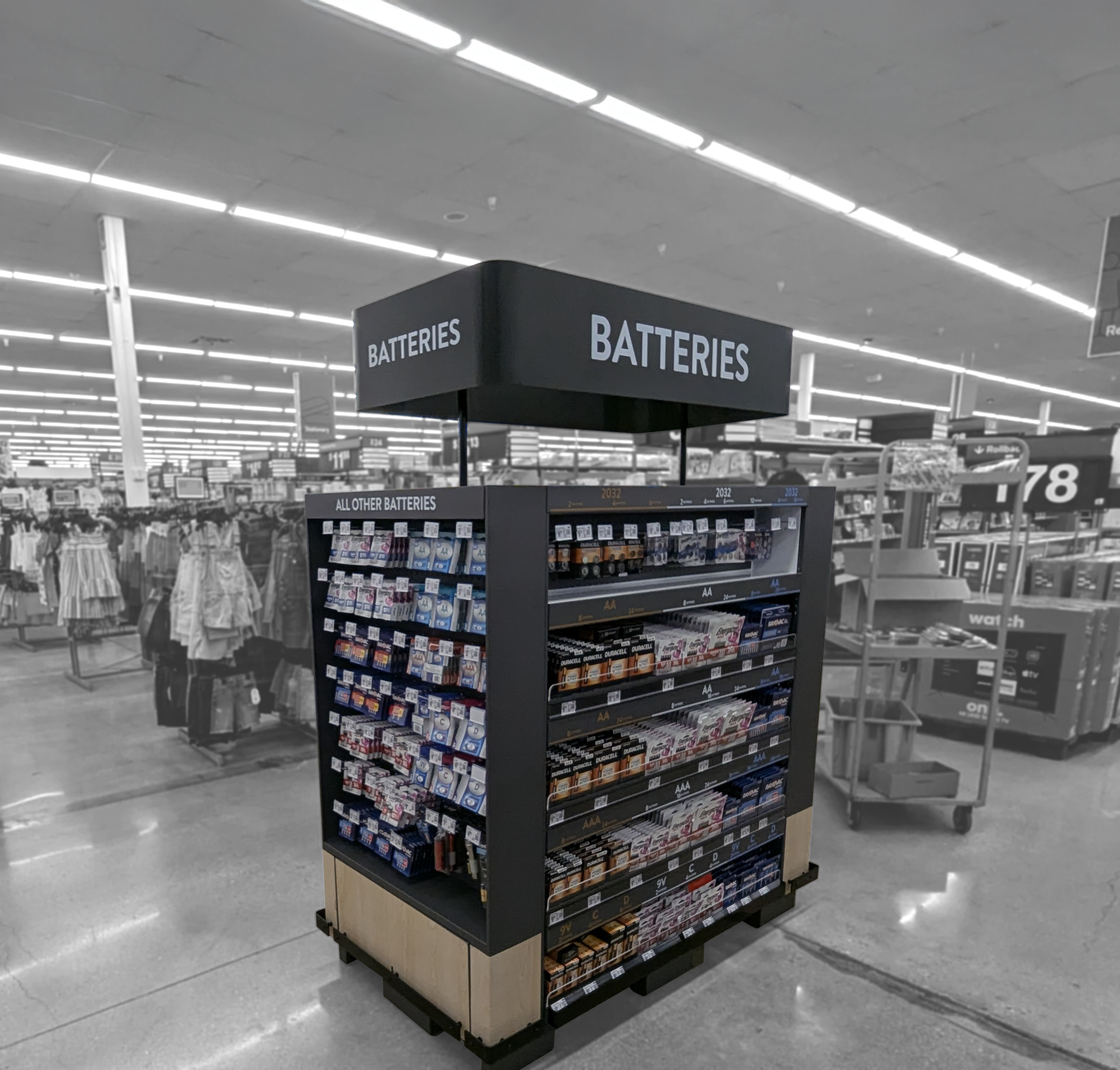





The choice of retail display materials that brands use to showcase their offerings can be an integral part of maintaining a permanent display. An ineffective choice of material can lead to a poorly constructed display or damage to the brand’s perception among consumers. On the other hand, a well-crafted one can provide the ideal setting for a brand or advertising vision to come to life.
Picking the right material for a permanent display is a balancing act. You need to maintain the design and aesthetic vision while acknowledging the practical realities of how retail and commercial displays are created. But how can organizations find the right combination of appealing aesthetics and material durability?
There are several potential materials to choose from. Finding the right material to endure what could be several years of retail foot traffic requires an understanding of what each option provides. This guide on the top materials for permanent retail and commercial displays by Great Northern Instore has all the information needed to make an informed choice.
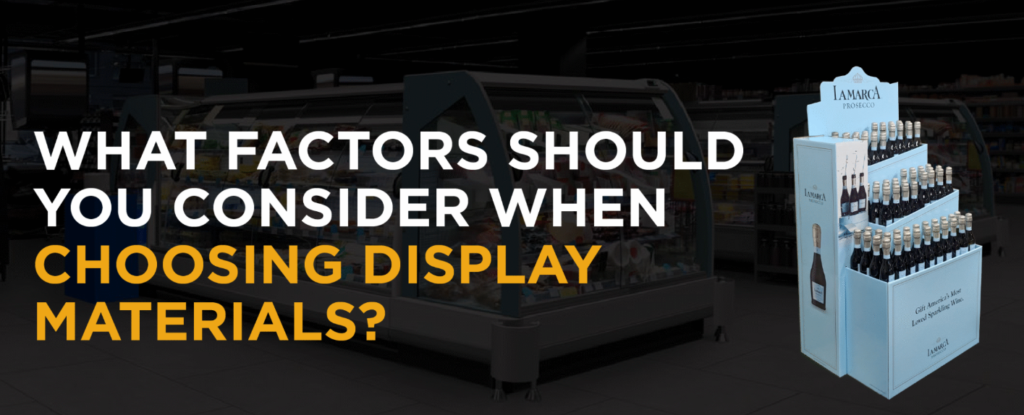
What Factors Should You Consider When Choosing Display Materials?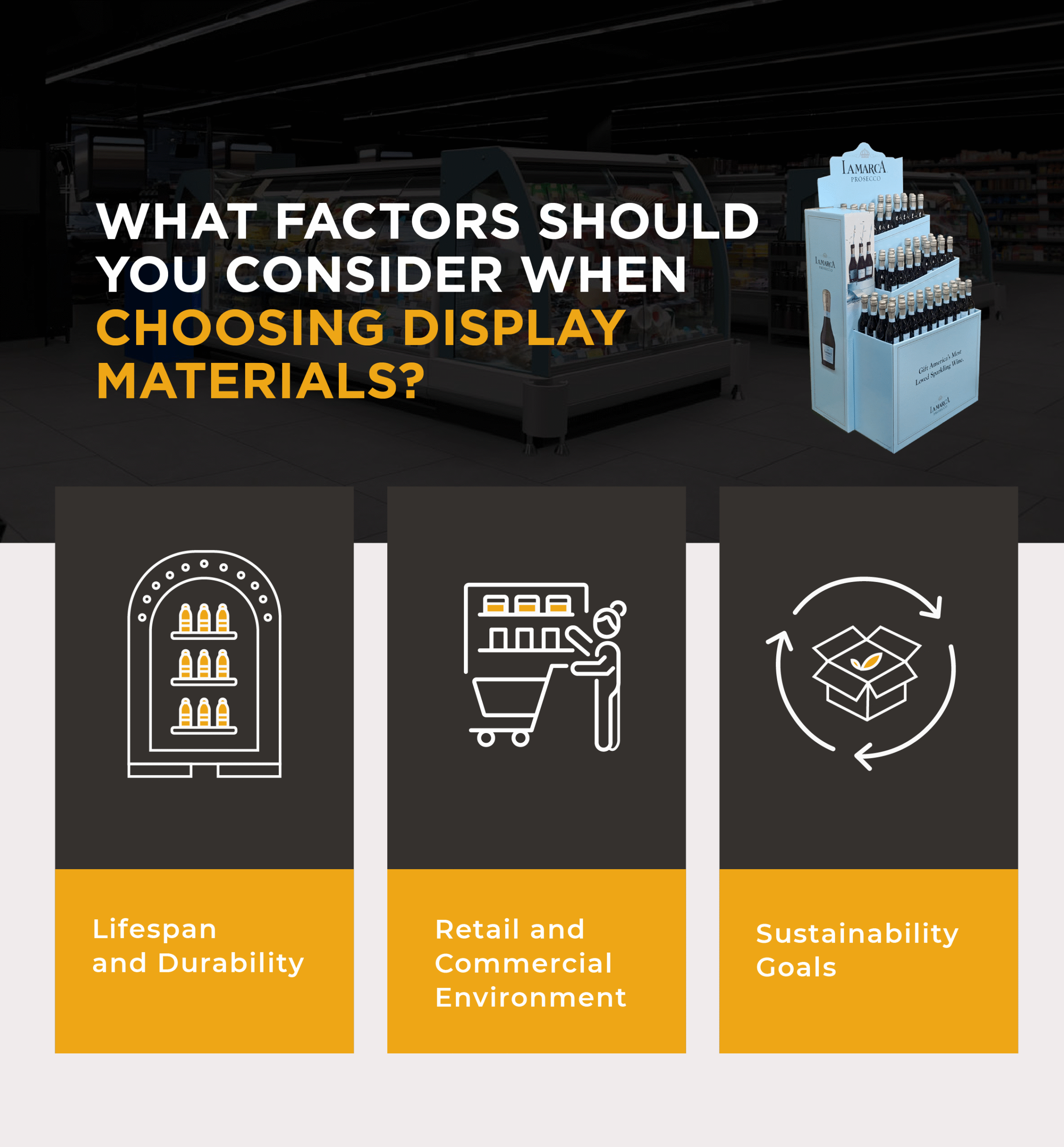
Display materials are a significant part of developing brand value. The right choice can lead to long-term customer loyalty and increased brand awareness, both of which are major contributing factors in generating more revenue.
Studies have shown that the combined brand value of the top 100 brands worldwide recently topped over $10 trillion. Understanding the key considerations when choosing display materials is the first step toward enhancing a brand’s value. These factors include:
1. Lifespan and Durability
Different retail display materials will have a range of lifespans. Temporary displays (for seasonal promotions, launches and special offers) are usually made from a corrugated material. Corrugated displays typically last for a few weeks or months, while more permanent displays can endure for several years.
Consider whether fast installation and low cost (for temporary displays) or long-term robustness and consistency (for permanent displays) are the ultimate goals when choosing a retail display.
2. Retail and Commercial Environment
Each retail and commercial environment will be different. These differences are a crucial aspect of making an organization’s products stand out from the competition. However, this also means that choosing a location for a display in a store or building will require careful consideration beyond the consumer’s need to see it.
The following factors can affect the overall look and longevity of retail display materials:
- Floor cleaning procedures, as moisture and chemicals can damage certain base materials
- Direct sunlight and UV exposure through windows, which can warp or degrade some plastics
- Extreme temperatures, which can fade design color and degrade material over the course of time
- Retail abuse from shopping carts, forklifts and foot traffic, which can damage displays depending on the environment
- General wear and tear, which can include worn-out parts and aging finishes due to display demo units being touched
- Constant assembly and disassembly for transportation to various events or new environments, which will wear out the display if not done carefully
The day-to-day foot traffic from potential buyers is also important to consider. These combined environmental factors can play a key role in helping you decide which material works for each specific need.
3. Sustainability Goals
Consumer demand will always influence retail decisions. More people are choosing to spend their money with companies that already have sustainable practices in place. Circular economy materials — materials that are kept in use through repair, recycling and prioritizing the use of renewable materials — play a pivotal role in helping retailers achieve their sustainability goals.
With that in mind, sustainability is another crucial factor to consider when choosing display materials. Creating a more circular retail economy is a long-term goal for many retail and commercial operations, so knowing where a brand wants to be in several years can influence the choice of materials.
The Main Types of Permanent Commercial and Retail Display Materials
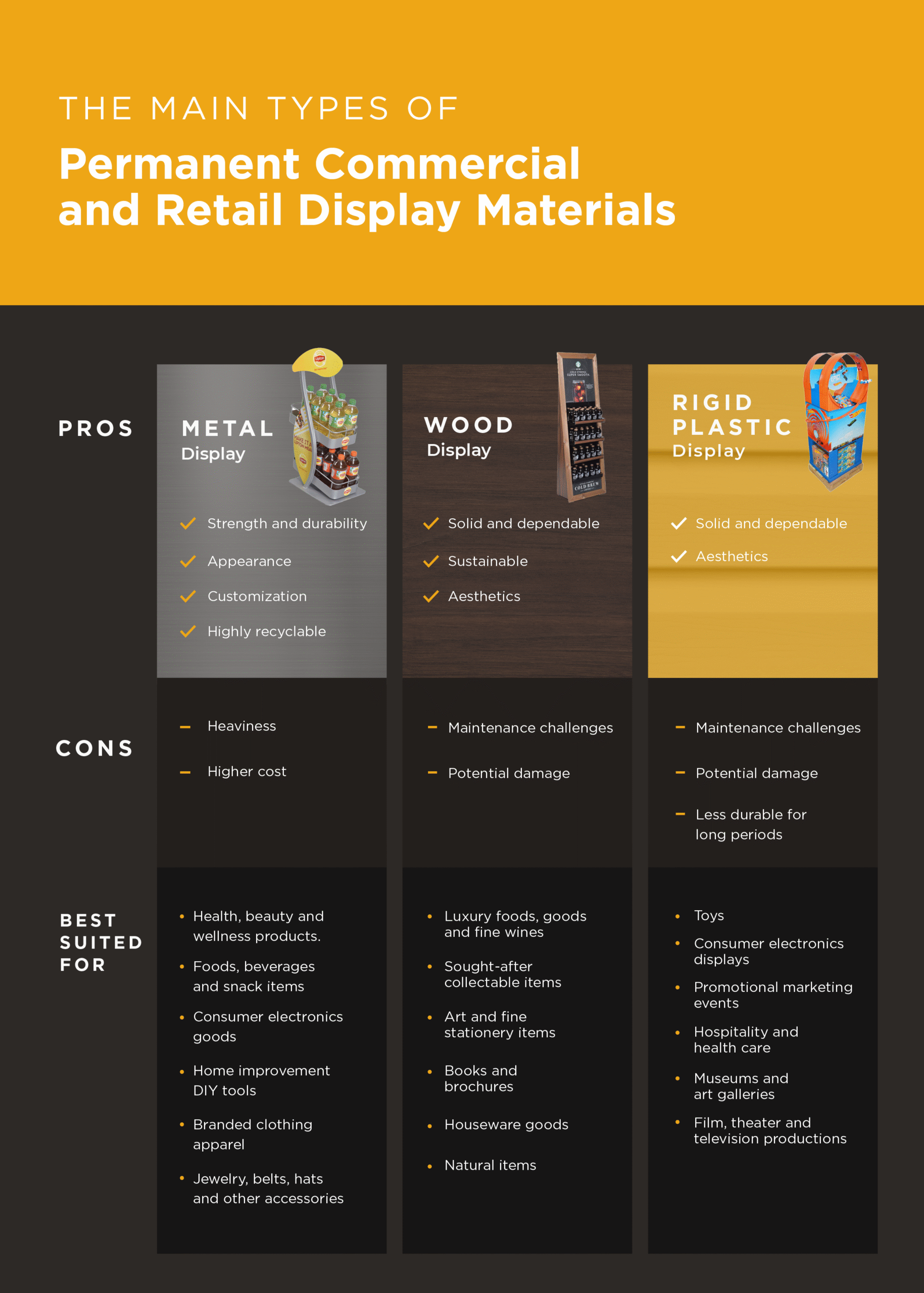
There are multiple materials available for commercial and retail displays. However, for organizations seeking a permanent solution to their product offering display needs, it is advisable to focus on material options that have proven to be durable.
1. Metal Displays
Metal is a strong material that allows for considerable flexibility when designing retail or commercial displays. Acting as the skeletal base of a display, its robustness makes it a common choice for environments with heavy shopping traffic, where constant knocks and bumps are anticipated.
Some industries and products that typically suit metal displays include:
- Health, beauty and wellness products.
- Foods, beverages and snack items.
- Consumer electronics goods.
- Home improvement DIY tools.
- Branded clothing apparel.
- Jewelry, belts, hats and other accessories.
Pros and Cons of Using Metal Displays
Every business has unique requirements, making it essential to weigh up the pros and cons of each material option. The main benefits and potential limitations of permanent metal displays are:
- Strength and durability: Because the material is strong and long-lasting, permanent displays often use metal as it can deliver value over a long period.
- Appearance: The contemporary look of a metal display can complement most industries, such as technology or luxury boutique products.
- Customization: Metal displays can be turned into unique shapes and feature powder-coated, gloss or chrome finishes to add an extra level of aesthetics.
- Higher cost: The up-front cost of a permanent metal display can potentially be more expensive than that of other available options. However, an expert engineering partner can work with businesses to develop cost-effective solutions.
Metal display options will usually be available in materials such as steel (durable and rigid) and wire (flexible and popular with open-structure displays).
2. Wooden Displays
Wooden displays like shelves, racks and trays can promote and showcase just about anything on the market. However, this material is usually associated with classy, rustic and natural products.
Common items that are placed on a wooden display include:
- Luxury foods, goods and fine wines.
- Sought-after collectable items.
- Art and fine stationery items.
- Books and brochures.
- Houseware goods.
Displays using wooden materials will predominantly come in solid wood (more exclusive and costly), plywood (thin sheets of wood glued together), and a medium-density fiberboard (MDF) that presses wax and wooden fibers into boards using a resin.
Pros and Cons of Using Wooden Displays
The specific choice of commercial and retail display materials helps define the personality of a brand and its associated offerings. Whether it is for stocking products, highlighting a new release or adding a style flourish to design branding, the following pros and cons can help you determine if wood is the right choice:
- Solid and dependable: High-quality wood can handle heavy-duty merchandise due to its strength and ability to withstand prolonged use.
- Sustainable: Permanent displays using wooden materials support the use of renewable natural resources.
- Aesthetics: Wooden displays immediately exude warmth and elegance, enhancing the appearance of the products on display.
- Maintenance challenges: Wood is prone to becoming dented, cracked or warped if not sealed correctly.
- Potential damage: Unprotected wooden displays may also swell or shrink in high-humidity environments or when exposed to excessive water.
MDF offers smoothness and consistency in aesthetics, but it is not as durable as plywood options. Plywood resists moisture better than most MDF options, but it can splinter easily when cut. Natural wood is the most durable and long-lasting option. However, the uniqueness of its natural grain patterns makes it difficult to duplicate and create a uniform display range.
3. Rigid Plastic Displays
Many businesses and commercial entities these days explore rigid plastic display options. The science of plastic creation means that it is resistant to moisture and most modern chemicals, offering an eye-catching choice to highlight merchandise to motivated shoppers.
While plastic displays are a popular choice in just about any industry, they are most prominent in the following areas:
- Consumer electronics displays
- Promotional marketing events
- Hospitality and health care
- Museums and art galleries
- Film, theater and television productions
- Toys and other collectibles
The contemporary nature of plastic display options makes them suitable for fresh and exciting products where a featured item can be showcased.
Pros and Cons of Using Plastic Displays
Plastic displays will usually come in acrylic (expensive-looking but brittle compared to other alternatives), PVC (durable but hard to recycle due to its petroleum-based chemicals), and PETG (polyethylene terephthalate glycol), which is FDA-compliant for food contact.
Like other permanent displays, plastic has several pros and a few cons, including:
- Versatile: Plastic displays are easy to shape into specific designs, colors and sizes for a more customizable range of ideas.
- Lightweight: This material is easy to move around, install and transport to different locations.
- Easy to maintain: Most plastic displays can be cleaned with warm water and a mild soap to look good as new.
- Low heat resistance: Rigid plastics are typically affected by high temperatures, which can cause degradation.
- Load-bearing capacity: Plastic is extremely durable, but it will not have the strength that metal or wooden display materials provide.
- Less sustainable: Plastic isn’t as sustainable as the other display materials available.
Generally, plastic displays will be more cost-effective than other options. They will also offer transparency, meaning consumers can view products from a wider range of angles as they walk past.
How Do Different Materials Withstand High-Traffic Retail Environments?
Environments where numerous people are expected to pass by product offerings are susceptible to damage from knocks and dents. This can include traffic from large shopping carts, or forklifts in club or home improvement stores.
Understanding how different materials withstand high-traffic retail environments can provide the final piece of clarity needed to make an informed decision. Some key areas to consider include:
- Impact resistance: Day-to-day collisions and impact from shopping carts, breakages and people knocking into displays will cause metal to dent but remain solid in place. A plastic-like acrylic may crack, and a wooden display is liable to chip.
- Industrial cleaning resistance: Displays may come into contact with industrial floor chemicals during daily cleaning and maintenance. While plastic and metal displays will endure, an unsealed wooden display may be affected by the moisture from the mixture of water and chemicals.
- General wear and aging resistance: Display surfaces will inevitably show signs of wear and aging over time. For metal displays, a powder coat can help maintain a sleek look and a durable structure. Acrylic and other plastics will develop visible scratches and scrapes if not well-maintained, whereas wood can peel and chip if not properly protected with a professional laminate.
These elements can influence how a brand is perceived and how consumers make their purchasing decisions. A quality product displayed on a worn or warped stand can significantly reduce its appeal.
How Do Material Choices Affect Retail Store Aesthetics?
Every last detail of a commercial or retail outlet must work in tandem to create a cohesive aesthetic. The effect that material properties have on human emotions cannot be underestimated, especially in consumer buyer habits. This is useful information that can inform organizations on how material choices affect retail store aesthetics.
Studies into the effects of wooden furniture surroundings on people’s well-being have found that it is linked to feelings of comfort and relaxation. Metal is predominantly associated with cold but cutting-edge industrial and technological offerings. Meanwhile, plastic is more of a blank canvas that can be used to convey color, clarity and glossiness to amplify retail lighting.
Understanding the True Value of a Retail and Commercial Display
Perception is everything. Regardless of the marketing goals associated with a product offering, its success will ultimately depend on the consumer’s perception of whether it is worth their time and money to make a purchase. For commercial and retail outlets, it is essential to recognize that there is no single right choice.
Instead, it is a matter of channeling budgetary needs and brand goals into permanent retail displays that deliver a clear and well-considered aesthetic at first sight. Combining this vision with variables like longevity, traffic volume and creativity can provide the blueprint for a display that is right for organizations, branding and the people being targeted.
Over time, people will begin to associate a product and business with a crystal-clear vision, which can develop into long-term loyalty and increased sales potential.