




Convenience stores are synonymous with speed. Shoppers drop by during hectic days, usually looking for a specific product. Brands that succeed in this channel need merchandising strategies built around consumer behavior, compact store layouts and category dynamics.
Whether you sell to stand-alone convenience stores or integrate gas station merchandising into fuel-and-food formats, you must design displays that work within tight footprints, align with planogram realities and influence shoppers before they reach the counter. The most successful brands capitalize on how shoppers move through the store, where attention concentrates and which display formats perform in high-velocity environments.
Key Takeaways
- Convenience store displays must capitalize on shopper behavior, with colorful, eye-catching visuals and simple messages designed to drive impulse buys.
- Brands that earn and keep shelf placement make compelling pitches based on concrete data.
- Display formats should fit each zone’s physical constraints and shopper mindset, from compact counter units to power wings, PDQs and corrugated displays.
What Persuades Consumers to Choose Your Product?
Shopper psychology in convenience stores differs fundamentally from grocery, drug or mass retail formats. C-store consumers arrive with a primary goal but remain highly receptive to unplanned additions. For brand marketers, that means aligning the product, zone and visual cue with a short decision window.
In the National Association of Convenience Stores survey of more than 6,500 shoppers, 20.1% of respondents admitted to making impulse purchases. Of those buyers, 40.3% gravitated toward something that looked appetizing, while 21.5% saw a brand they already liked and 19.2% allowed an eye-catching display to tempt them.
Understanding what moves consumers in this environment is the foundation of every display and merchandising decision, because impulse buy displays work best when they reach shoppers at moments of high receptivity.
How Convenience Store Layout Dictates What Sells
A convenience store’s physical layout is a deliberate system engineered to maximize purchases, with each zone creating a distinct opportunity for brands to earn attention.
The 4 High-Value Zones
Brand marketers who understand these zones can map products to the real estate where conversion rates are highest, matching display strategy to shopper behavior patterns.
- Counter: The transaction area can be a valuable zone for impulse items, as shoppers may be receptive to small, grab-and-go products within arm’s reach.
- Cooler door: Destination-driven traffic often flows here, creating visibility for products placed on or near cooler doors and opportunities for beverage brands and adjacent impulse items.
- Checkout line: Checkout and queuing areas can be effective placements for small, inexpensive purchases because shoppers naturally pause near the point of transaction.
- End of aisle: Endcaps are visible from multiple traffic angles and suited to brands breaking out of their primary shelf set. Brands often use this zone to highlight promoted items and new product introductions, while strategic convenience store merchandising can guide customers toward high-margin categories.
Matching the Display Format to Each Zone
Choosing a display structure for each zone is critical for operational efficiency and brand visibility, as each format serves a specific function tied to the shopper’s physical position and purchase mindset.
Custom sizing is a boon in retail environments with strict footprint requirements, allowing you to develop each display to fit those specifications.
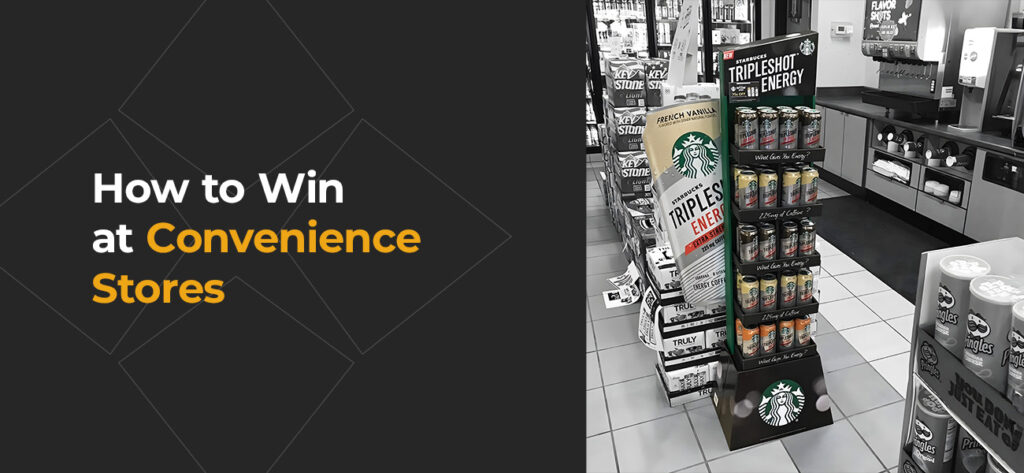
- Compact counter displays encourage spontaneous purchases of grab-and-go products at checkout.
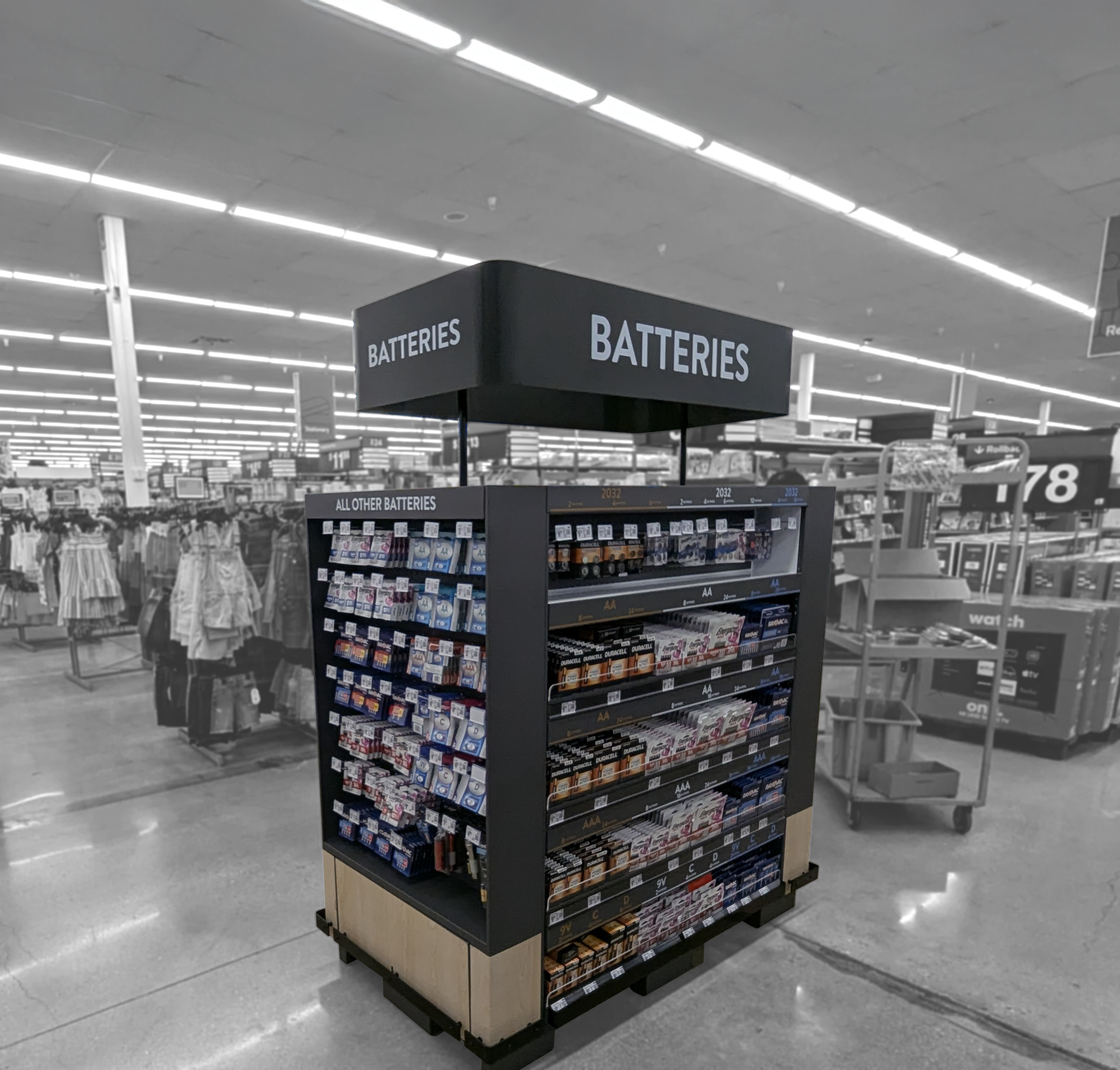
- Mounted to gondola sides, power wing displays expand brand presence without claiming floor space, creating effective secondary placement without disrupting traffic flow.
- Prepacked and ready to set up, PDQ displays can reduce execution time for store teams in fast-moving settings with limited labor and high turnover.
- Corrugated displays made from recycled content are an effective solution for frequent campaign resets. It is also easy to update temporary formats and tweak campaigns to align with the promotional cadence of convenience store marketing.
Design Principles That Drive Impulse in a High-Traffic Environment
Eye-catching design visually separates a display that earns attention from one that blends into the background, influencing shoppers to make split-second decisions. Bold brand graphics visible from a distance reinforce recognition, while a single, compelling message reduces information overload that may slow impulse decisions.
Engaging product demonstrations and educational signage formats using lists, icons and charts can communicate product features and benefits, encouraging people to move swiftly from consideration to purchase. Internal examples of effective floor displays and point-of-purchase displays demonstrate these principles in action.
Planograms and Category Dynamics
Learning how to sell to convenience stores often involves understanding the data frameworks that influence shelf allocation decisions. You can earn and maintain placement by cracking the code of the convenience store planogram and category-management system.
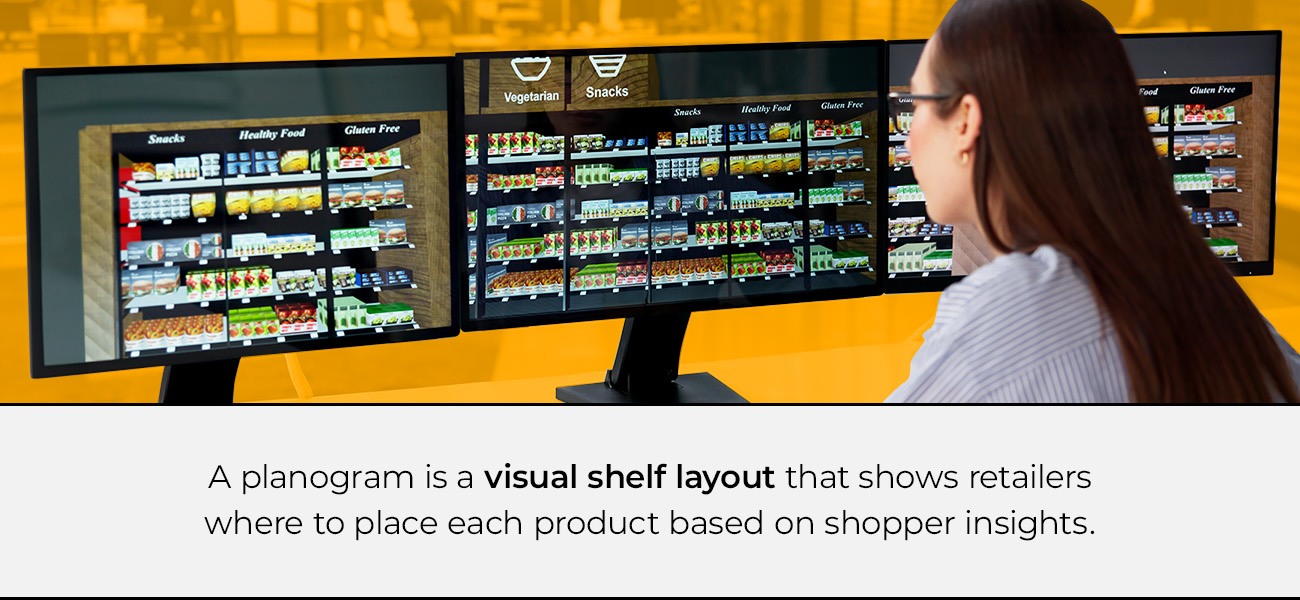
A planogram is a visual shelf layout that shows retailers where to place each product based on shopper insights. Think of it as a strategic way to organize merchandise, improve the shopping experience and boost sales. Since these decisions involve analyzing sales data, market trends, seasonal projections and margin contribution reports, you should prepare to bring concrete information about velocity and profitability to the conversation.
You can position your brand to outperform the competition by addressing common planogram challenges, including poor in-store execution and unclear direction for the employees who will set up your displays.
How to Stand Out in a C-Store Environment
Brands that win in convenience stores coordinate multiple touch points to increase the chances of reaching people in their most receptive moments, including:
- Zone selection that places products where shoppers are most likely to notice them
- Display formats that fit the product, store footprint and shopper mission
- Creative that makes the brand easy to recognize and understand quickly
- Seasonal and promotional timing that supports campaign goals
- Multi-zone presence that gives shoppers more than one opportunity to engage with the product
Shoppers in a hurry are more likely to choose familiar products. Repeated exposure across several areas of the store can build that recognition.
Frequently Asked Questions
Get answers about convenience-store merchandising strategies, display formats and planogram execution.
What Differentiates Convenience Store Merchandising From Grocery or Mass Retail?
C-store shoppers arrive with a primary goal but remain highly receptive to impulse purchases. Displays must fit compact footprints and quickly capture attention to capitalize on short decision windows.
What Displays Work Best for Convenience Stores?
Compact counter displays, power wings, PDQs and corrugated temporary displays all perform well in small, high-traffic environments. Custom sizing ensures each display fits the store’s footprint and operational needs.
How Do Planograms Influence Convenience Store Merchandising?
Planograms determine where products appear on shelves based on sales data, trends and category strategy. Brands must provide compelling information to secure placement and ensure convenience store employees execute the layout correctly.
How Can My Brand Stand Out in a Fast-Paced C-Store Environment?
Bold graphics, simple messaging, strategic zone selection and seasonal timing earn attention. Repeated exposure across several areas of the store builds product familiarity and impulse conversion.
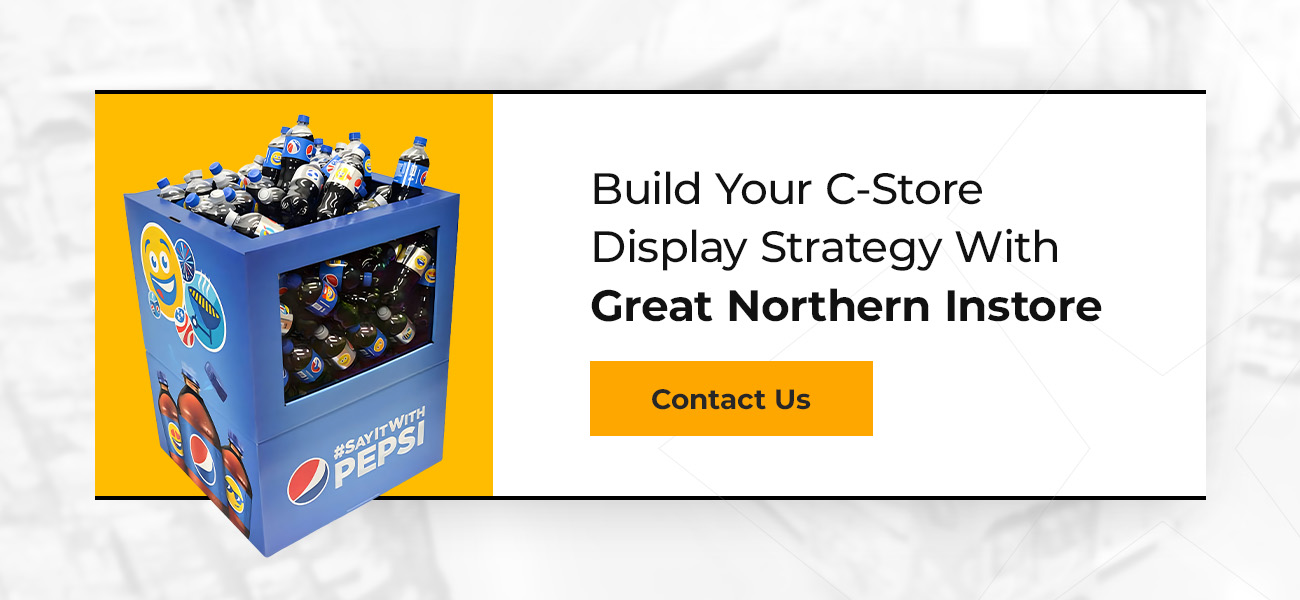
Build Your C-Store Display Strategy With Great Northern Instore
Execution separates a strategy that drives sales from one that blends into the background. Great Northern Instore translates C-store channel knowledge into custom solutions engineered for retail environments.
With nearly 60 years in the packaging and retail display business, a team of over 60 structural designers and design-through-distribution capabilities under one roof, our company delivers turnkey solutions for industry-leading clients. We will skillfully shepherd your project from concept to retail floor with award-winning design, on-time delivery and built-in retailer compliance. Explore convenience store displays designed to win at the shelf.